Discover Beacon top Paving Contractor for Professional Pavement Services
Discover Beacon top Paving Contractor for Professional Pavement Services
Blog Article
Paving Solutions: Upgrade Your Property With Professional Paving Services
Professional paving services offer notable advantages for real estate enhancement. They not only boost aesthetics but also enhance functionality. Choosing the right materials, such as asphalt or interlocking pavers, can guarantee durability and style. The installation process is important for achieving durable results. Yet, many homeowners overlook essential maintenance practices that can extend the life of their investment. Understanding these elements is vital for informed decision-making about outdoor spaces. What comes next may surprise you.
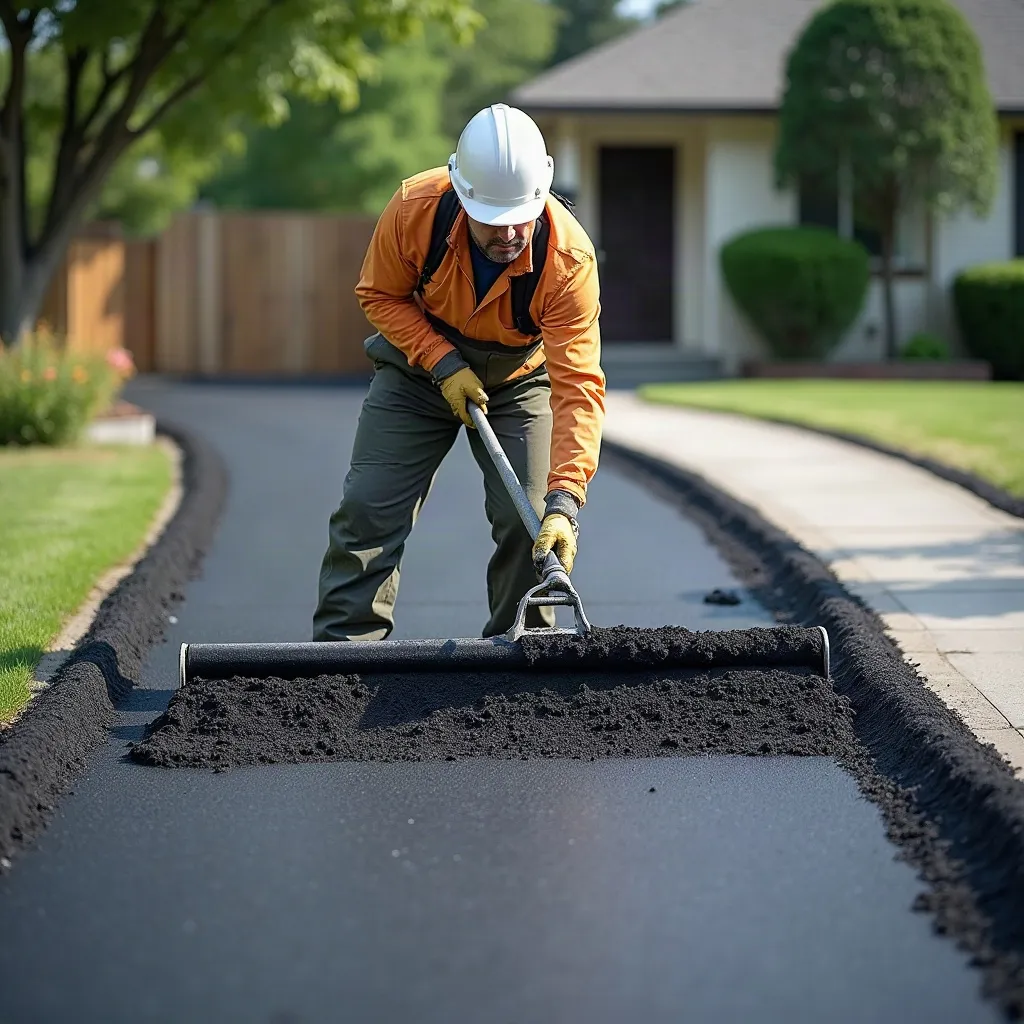
Professional Paving Solutions Improve Your Home
Professional pavement solutions revolutionize outdoor spaces, enhancing both functionality and visual appeal. By employing expert techniques and modern equipment, these services guarantee the careful preparation and installation of various paving surfaces. This focus on precision results in durable, long-lasting outcomes that withstand wear and tear while preserving visual appeal.
Furthermore, expert pavement work increases property value, creating inviting pathways, vehicle access areas, and outdoor spaces that appeal to potential buyers. A well-paved area boosts safety by reducing dangers like uneven surfaces and excessive mud, contributing to a more pleasant outdoor setting.
Furthermore, skilled specialists can present custom-made plans suited to particular requirements, assuring that every project reflects the property's special appeal.
Determine the Optimal Laying Materials for Your Undertaking
Which approaches help homeowners decide on the best paving materials for their work? Getting the material correct is required for aesthetics and how it performs.
First, property owners should reflect on the particular application of the paved region. For driveways, heavy-duty materials like asphalt or concrete are often recommended due to their durability and extended lifespan. In contrast, for patios or walkways, possibilities including pavers or bricks can showcase artistic value and multipurpose capability.
Next, environmental conditions serves as a significant role. Zones with intense precipitation may profit from permeable materials that allow for superior water management, reducing the danger of inundation.
In addition, servicing demands should be reviewed; some materials need more upkeep than others.
Ultimately, financial restrictions will determine the decision. While high-quality materials may demand a larger initial outlay, they frequently generate long-term savings through resilience and reduced repair expenses.
As a result, thorough analysis of these factors will help property owners in making educated decisions.
Asphalt Paving Rewards
Asphalt surfacing stands out as a leading choice for homeowners looking for durable and affordable solutions for their driveways and walkways. One of its main benefits is its durability; asphalt can withstand heavy traffic and harsh weather conditions, making it ideal for residential use.
Furthermore, asphalt is moderately priced against other paving materials, helping homeowners to secure a excellent appearance without emptying their pockets. The installation process is also rapid, frequently concluded within a day, curbing disruption to daily life.
Moreover, asphalt is convenient to maintain, requiring just routine sealing to extend its durability. These merits make asphalt paving a smart and economical option for enhancing property visual appeal and functionality.
Interlocking Paver Positives
For property owners considering paving options, interlocking pavers offer distinct advantages that improve both aesthetics and functionality.
These adaptable pavers come in different shapes, colors, and textures, enabling artistic design choices that can match any property style. Additionally, interlocking pavers ensure exceptional durability, resisting cracking and shifting, which is particularly advantageous in regions with changing temperatures.
Moreover, their unique design enhances efficient water drainage, minimizing the likelihood of water damage and soil loss. This permeability also supports environmental sustainability by enabling rainwater to replenish groundwater supplies.
Ultimately, the hassle-free setup and care makes interlocking pavers a functional solution, permitting homeowners to enjoy their beautiful surface without excessive upkeep.
Preliminary Site Review
What factors influence the preliminary site inspection for paving installation? Several key considerations are considered during this critical stage. First, the topography of the land is analyzed to detect any slopes or drainage issues that could affect the paving process. Next, the existing soil conditions are evaluated, as different soil types can affect stability and durability. Additionally, site accessibility is taken into account to establish how equipment and materials will be delivered. Local regulations and zoning laws are also checked to guarantee compliance. Finally, existing structures and vegetation are evaluated to plan for any necessary removal or protection. This thorough evaluation establishes the basis for a successful paving project, making sure that all potential challenges are addressed from the outset.
Setup Processes Illustrated
With a comprehensive site assessment finished, the paving placement procedure can start.
The initial phase involves ground preparation, where any current debris are cleared and the ground is leveled. After that, a base layer is placed, typically made of aggregate or crushed stone, which provides stability and drainage.
Next, the selected surfacing option—such as asphalt or concrete—is placed. This phase demands meticulous work to ensure a even surface and correct positioning.
After the paving is put in, it undergoes compaction to improve durability. Finally, the curing process starts, allowing the material to set correctly.
Throughout the process, clear dialogue with the property owner is essential to address any issues and guarantee satisfaction with the final outcome.
Paving Maintenance Advice for Durability
Even though paving surfaces are created for long-lasting performance, regular maintenance is vital to guarantee their longevity. Periodic evaluations must be performed to detect damage, deterioration, or surface degradation. Timely fixes can prevent further damage and extend the useful life of the pavement.
In addition, keeping the surface tidy is essential; debris, leaf litter, and soil can capture moisture, resulting in deterioration. Regular brushing and intermittent power washing aid sustain a spotless appearance and effectiveness.
Applying sealant every few years can maintain the surface from climate exposure and UV radiation, while also elevating its aesthetic appeal.
Finally, tackling drainage problems is significant. Adequate drainage systems stop water buildup, which can weaken the paving material over time.
How to Find a Reliable Paving Contractor
Finding a reliable paving contractor is an crucial step for property owners looking to put in or upgrade their paving surfaces. To begin, individuals should seek recommendations from friends, relatives, or nearby companies that have recently undertaken paving projects. Online reviews and testimonials can also offer insights into a contractor's reputation.
Once potential contractors are found, it is essential to check their certifications, including licenses and insurance. A professional tradesperson should offer a detailed written estimate that specifies the work scope, materials, and timeline.
Furthermore, requesting testimonials from previous clients can assist in assessing the contractor's reliability and quality of work. It's also advisable to ask regarding warranties on materials and workmanship.
In the end, promoting transparent communication and candor during first discussions can cultivate a dependable partnership, ultimately resulting in a completed paving undertaking that meets expectations.
Popular Questions Asked Often
How much time Will a Typical Paving Project Require to Finish?
A typical paving project generally takes one to three days to complete, depending on variables such as the project's size, intricacy, weather conditions, and preparation requirements. Effective planning can assist in streamline the process efficiently.
What Permits Do You Need for Paving Placement?
Typically, paving installation necessitates permits such as municipal building permits, zoning clearances, and environmental reviews. Regulations vary by area, so contacting municipal officials try now ensures compliance with required legal standards for the undertaking.
Is Pavement Installation Feasible During Winter or Precipitation-Heavy Periods?
Paving can be arduous during winter or rainy seasons due to climatic challenges and moisture exposure. Cold weather can delay proper curing, while excessive rain may cause quality problems, leading to potential lasting damage. Deliberate strategizing is imperative.
What Options Should I Apply if My Pavement Fractures?
If pavement develops fractures, the first step is to assess the damage. Next in line, clear the area completely, fill the fissures with appropriate sealant, and think about professional repair to avoid additional damage and preserve protection.
What steps should I take to ensure that my paving contractor has proper licensing?
To determine if a paving contractor holds a license, one must verify their credentials through local licensing boards, demand a copy of their license, and look for insurance protection, guaranteeing compliance with industry regulations and safety standards.
Report this page